

Finding the best chef knife under 50 should not feel like a gamble, because a good everyday knife is about balance, edge, and comfort, not a famous name or a heavy price tag. This guide looks at seven well rated 8 inch chef knives that are widely available on Amazon and suited to daily home cooking, from slicing onions to breaking down a roast chicken.
We compared blade style, handle comfort, reported edge retention, and owner feedback, and we favored knives that are easy to maintain and forgiving for newer cooks.
These picks are research based, not hands on tested, so we relied on published specifications, independent roundups, and aggregated owner reviews rather than claiming lab results we did not produce. Prices change often, so check the linked Amazon listing for the current price, available size, and seller before you buy.
A knife that costs less than fifty dollars can still feel excellent in the hand, provided you choose the right blade length, steel, and handle for your cooking style.
Quick Look
- Best for: everyday cooking, Victorinox Fibrox Pro 8-Inch
- Best for: low cost value, Mercer Culinary Millennia 8-Inch
- Best for: a forged feel, Mercer Culinary Genesis 8-Inch
- Best for: Japanese style sharpness, imarku 8-Inch Chef Knife
- Best for: a simple starter knife, PAUDIN 8-Inch Chef Knife
- Best for: a full tang classic, Amazon Basics 8-Inch Chef Knife
- Best for: a knife plus honing rod, TUO 8-Inch Chef Knife and Honing Rod Set
How We Picked
We started with knives that appear again and again in budget roundups and owner reviews, then kept only 8 inch models that suit most hands and most cutting boards. We looked for high carbon stainless steel or a comparable stainless blade, a comfortable handle that stays secure when wet, and a profile that can rock for herbs and slice cleanly for tomatoes.
Knives with very delicate edges, unusual maintenance needs, or poor reported durability were left out, even when they looked attractive in photos.
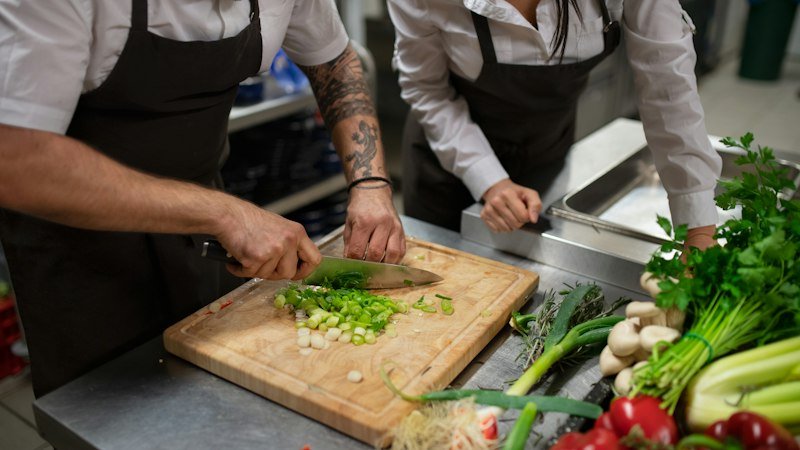
Victorinox Fibrox Pro 8-Inch (Best Overall)
The Victorinox Fibrox Pro 8-Inch is the safest first choice in this guide, because it combines a light, nimble blade with a handle that many cooks trust in professional kitchens. Its high carbon stainless steel blade is stamped rather than forged, which keeps the knife light and easy to control through long prep sessions, and the edge is straightforward to refresh with regular honing.
The Fibrox handle is textured, slip resistant, and shaped to reduce fatigue, while the 8 inch length is long enough for cabbage and melons yet short enough for precise work on a standard board.
- Who it’s for: home cooks who want a dependable, lightweight knife for almost every daily task.
- Who should skip: cooks who prefer a heavy, forged knife with a thick spine and a lot of forward weight.
- Pros: comfortable non slip handle, easy to control, simple to hone, and widely recommended for beginners.
- Cons: the stamped blade feels lighter than forged rivals, and the plain handle will not appeal to everyone.
Mercer Culinary Millennia 8-Inch (Best Value)
The Mercer Culinary Millennia 8-Inch is a long time favorite in restaurant kitchens, and that working background shows in its practical design. Its Japanese high carbon stainless steel blade is ground for clean slicing, while the Santoprene handle has textured finger points and a finger guard that help keep your grip secure.
It is a straightforward, no fuss knife that handles onions, potatoes, herbs, and cooked meats without demanding special care, and it is easy to sharpen when the edge starts to feel dull after regular use.
- Who it’s for: budget buyers, students, and busy cooks who want a proven workhorse at a modest cost.
- Who should skip: cooks who want a premium forged knife, a wooden handle, or a showpiece for the counter.
- Pros: secure textured handle, sharp out of the box edge, simple care, and strong owner feedback.
- Cons: the handle looks utilitarian, and the blade is lighter than many forged alternatives.
Mercer Culinary Genesis 8-Inch (Best Forged Feel)
The Mercer Culinary Genesis 8-Inch gives budget buyers a step toward a forged knife without leaving the under fifty dollar range. It uses precision forged high carbon German steel, a full tang, and a short bolster that makes sharpening the full edge easier than on knives with a large, blocking bolster.
The result is a knife with more presence in the hand than a stamped blade, a comfortable balance for rocking and slicing, and a profile that suits cooks who are ready to move beyond their first basic knife. Pair it with a sturdy board from our cutting board picks for cleaner, safer cuts.
- Who it’s for: cooks who want a heavier, forged feel and a knife that can grow with their skills.
- Who should skip: cooks with small hands, wrist fatigue, or a preference for very light knives.
- Pros: forged construction, full tang balance, short bolster for easier sharpening, and a solid grip.
- Cons: it feels heavier than stamped picks, and it needs prompt drying to keep the edge at its best.
imarku 8-Inch Chef Knife (Best Japanese Style)
The imarku 8-Inch Chef Knife is a good choice for cooks who like a sharper, thinner Japanese style edge for precise slicing. Its high carbon stainless steel blade is hand hammered in some versions, which can help food release from the blade, and the Pakkawood handle gives it a warmer, more traditional look than plain synthetic handles.
At 8 inches, it handles fish, vegetables, and boneless meat with control, and it rewards a lighter touch and a smooth, forward slicing motion rather than forceful chopping through hard foods.
- Who it’s for: cooks who value a keen edge, a lighter Japanese profile, and an attractive wooden style handle.
- Who should skip: cooks who regularly cut bones, frozen food, or very hard squash with a chef knife.
- Pros: sharp thin edge, good food release, comfortable handle, and a polished look for the price.
- Cons: the thinner edge needs gentler use, and hand washing is the safer care choice.
PAUDIN 8-Inch Chef Knife (Best Simple Starter)
The PAUDIN 8-Inch Chef Knife is a simple, approachable starter knife for cooks who are replacing a dull set and want one reliable blade. Its high carbon stainless steel blade is designed for everyday chopping, slicing, mincing, and dicing, while the ergonomic handle helps new cooks keep a steady grip.
It arrives in a gift style box, which also makes it a practical choice for a first apartment or a college kitchen, and its straightforward shape works well for the most common tasks, from garlic and herbs to chicken breasts and cucumbers.
- Who it’s for: first time buyers, gift buyers, and cooks who want one easy knife for daily meals.
- Who should skip: experienced cooks who want a forged blade, a premium handle, or a very thin Japanese edge.
- Pros: easy to handle, versatile for daily prep, comfortable grip, and a useful gift presentation.
- Cons: it lacks the refined balance of higher end rivals, and edge life depends on regular honing.
Amazon Basics 8-Inch Chef Knife (Best Classic Choice)
The Amazon Basics 8-Inch Chef Knife is a classic full tang option for cooks who want a familiar Western profile without a long search. Its high carbon stainless steel blade is forged for balance, and the triple rivet handle gives a solid, traditional feel in the hand.
The 8 inch length covers most home prep, including slicing roasts, dicing onions, and chopping leafy greens, while the straightforward edge is easy to maintain with a honing rod and occasional sharpening. It is an uncomplicated choice for a first serious knife or a dependable spare.
- Who it’s for: cooks who want a traditional full tang knife with a familiar shape and feel.
- Who should skip: cooks who prefer a light Japanese blade or a handle with a modern textured grip.
- Pros: full tang balance, classic profile, triple rivet handle, and easy everyday maintenance.
- Cons: it can feel heavier than stamped knives, and the finish is plain rather than premium.
TUO 8-Inch Chef Knife and Honing Rod Set (Best Starter Set)
The TUO 8-Inch Chef Knife and Honing Rod Set is useful for cooks who want maintenance included from the start, because a honing rod helps keep a good edge aligned between sharpenings. The knife uses German high carbon stainless steel with a Pakkawood handle, a combination that feels balanced and looks more expensive than many budget knives.
It is well suited to slicing, dicing, and general prep, and the included rod encourages the habit that matters most for a budget knife, which is regular, gentle honing rather than waiting until the blade feels completely dull.
- Who it’s for: new cooks who want a knife and a honing rod in one simple purchase.
- Who should skip: cooks who already own a honing rod or who want a single knife only.
- Pros: includes a honing rod, attractive Pakkawood handle, balanced German steel blade, and gift ready box.
- Cons: the set format adds an extra tool to store, and the knife needs hand washing for best care.
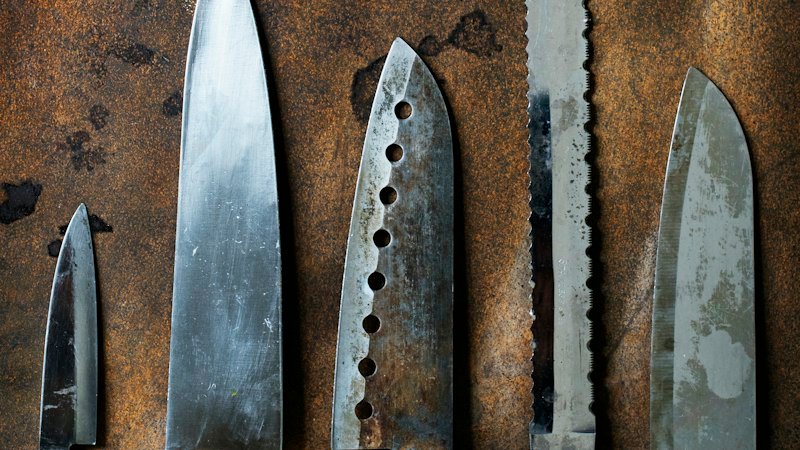
Buying Guide for the Best Chef Knife Under 50
Steel type matters more than marketing language. High carbon stainless steel is a practical middle ground for most home cooks, because it holds an edge reasonably well, resists rust better than plain carbon steel, and sharpens without special tools.
German style steel tends to be tougher and more forgiving, while Japanese style steel can feel sharper but may chip if used on bones or frozen food. For a first knife, choose a forgiving steel and focus on keeping it sharp.
Handle comfort is just as important as blade sharpness. Hold the knife with a pinch grip, with your thumb and index finger on the blade just ahead of the handle, and check that the handle does not twist or dig into your palm.
A textured synthetic handle is a good choice if your hands are often wet, while a Pakkawood handle offers a warmer feel and a classic look. Weight is personal, so a lighter knife suits long prep, and a heavier forged knife suits cooks who like the blade to do more of the work.
Maintenance will decide how your knife feels after six months. Wash it promptly by hand, dry it right away, and store it in a block, on a magnetic strip, or in a blade guard rather than loose in a drawer.
Hone it lightly before or after cooking sessions, and sharpen it when honing no longer restores a clean cut through a tomato. For a clear visual guide to grip and motion, see this knife skills guide from Serious Eats, which explains how to hold a chef knife safely.
Size and board pairing also matter. An 8 inch blade is the most versatile choice for most kitchens, because it is long enough for large produce and short enough to control.
If you have a small board or small hands, test the length before you commit, and pair the knife with a stable board. Our cutting board picks explain which surfaces protect an edge, and our knife sharpener picks can help you choose a simple way to keep the edge ready.
The Verdict on the Best Chef Knife Under 50
Start with the Victorinox Fibrox Pro 8-Inch if you want the easiest, most dependable choice for daily cooking. It is light, comfortable, easy to hone, and well suited to cooks who are still building knife skills.
If your budget is tighter, the Mercer Culinary Millennia 8-Inch is the value alternative that still feels like a serious kitchen tool. Cooks who prefer a forged feel should look at the Mercer Culinary Genesis 8-Inch, while the imarku is the better pick for precise, Japanese style slicing.
Whichever knife you choose, protect your investment with good habits and the right companions. Keep it sharp, store it safely, and use a board that will not dull the edge quickly. For small prep jobs that do not need a chef knife, our garlic press picks are a useful companion guide, because they cover a tool that saves time when a full knife is more than the job needs.
Frequently Asked Questions
What is the best chef knife under 50 for most home cooks?
The Victorinox Fibrox Pro 8-Inch is a strong all round choice, because it is light, comfortable, easy to hone, and suited to daily slicing, dicing, and chopping.
Is an 8 inch chef knife too long for a beginner?
No, an 8 inch blade is a good starting length for most adults, because it covers large produce while still allowing control on a standard cutting board.
How often should I sharpen a budget chef knife?
Hone lightly and often, and sharpen when honing no longer restores a clean cut. Many home cooks sharpen every few months, depending on use.
Can I put a budget chef knife in the dishwasher?
Hand washing is safer, even for knives described as dishwasher safe, because heat, detergent, and contact with other items can dull the edge and stress the handle.
What is the difference between German and Japanese style chef knives?
German style knives tend to be heavier and more forgiving, while Japanese style knives tend to be thinner and sharper, but they need gentler use on hard foods.
Do I need a honing rod if I own a sharpener?
A honing rod is useful for regular edge alignment between sharpenings, while a sharpener removes metal to restore a dull edge. Many cooks benefit from having both.