
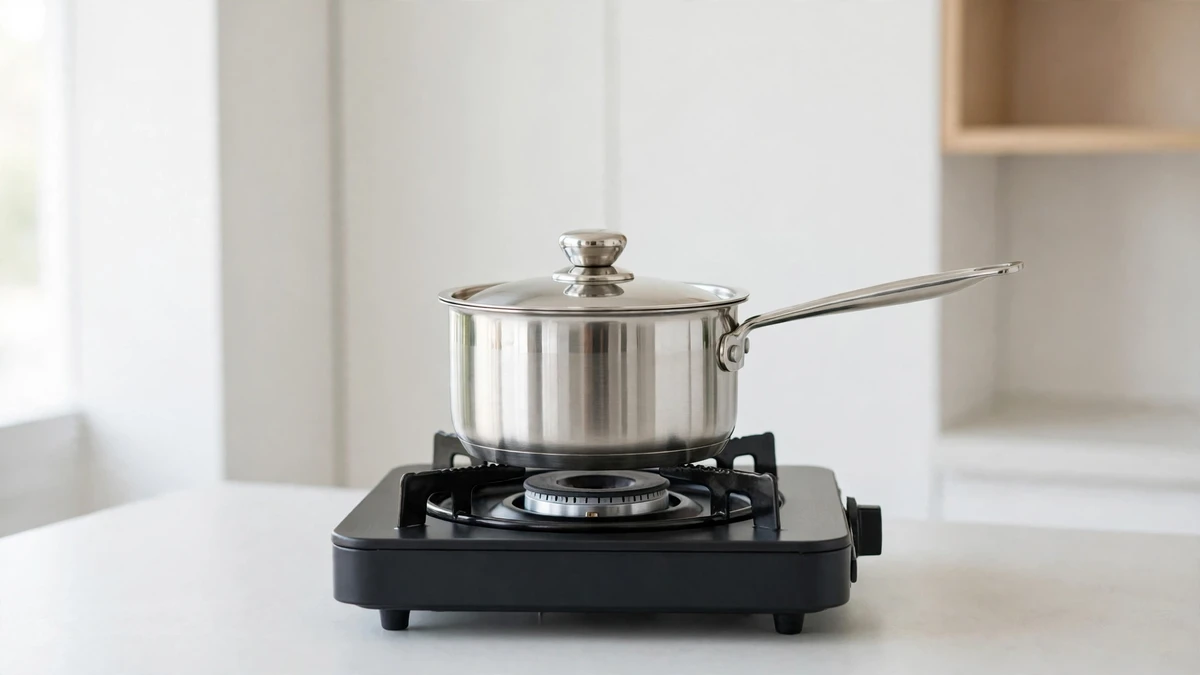
Finding the best saucepan for small kitchens starts with burner fit, not size alone. A good 2 quart saucepan should simmer sauces evenly, reheat soup without scorching, and sit safely on a compact burner.
This guide is based on research into current listings, product specifications, and buyer feedback. It is not a hands-on test report. Prices change often, so use the price bands below as a guide and check the linked listing before you buy.
Every pick here is a single saucepan for sauces, soups, and reheating, not a skillet, not a stock pot, and not a set. Each one is 1.5 to 2 quarts, which suits a small stove and a small household. For matching cookware, see our guide to the best cookware set for small kitchens.
Quick Look
Use this short list to narrow the field, then read the full pick for the details that matter in a small kitchen.
- Best for: Tri ply value: T-fal Professional Saucepan
- Best for: Even heating: Tramontina Professional Saucepan
- Best for: Classic stainless: Cuisinart Chef’s Classic Saucepan
- Best for: Clad construction: Made In Saucepan
- Best for: Easy pouring: Anolon Advanced Saucepan
- Best for: Premium build: All-Clad D3 Saucepan
How We Picked
We looked for saucepans with a 1.5 to 2 quart size, a base that fits a compact burner, even heat, and strong current buyer feedback. We favored models rated 4.3 stars or higher with many ratings, and models that remain popular in current buyer lists.
We left out skillets, stock pots, and full sets, because a small kitchen needs one pan that can handle sauces and reheating without crowding the stove. A good skillet pairs well with a small saucepan, as in our guide to the best stainless steel skillet for small kitchens.
1. T-fal Professional Saucepan
The T-fal Professional Saucepan is a 2 quart tri ply pan for sauces, gravies, and reheating. Its bonded layers help heat spread evenly, and its size fits a compact burner without crowding nearby pans.
- Capacity: 2 quarts
- Key features: Tri ply construction, lid, even heating
- Material: Stainless steel with aluminum core
- Dimensions: Compact burner friendly size for a small stove
- Power: Stovetop use, no electric power needed
- Who it’s for: Someone who wants tri ply heat at a mid range price.
- Who should skip: A cook who wants a nonstick surface for eggs or delicate sauces.
- Pros: Even heat, 2 quart size, and a sturdy lid.
- Cons: Stainless steel needs a little more care to avoid sticking.
2. Tramontina Professional Saucepan
The Tramontina Professional Saucepan is a 2 quart tri ply pan with a lid and a comfortable handle. It heats evenly for sauces and soups, and its base fits a small burner well.
- Capacity: 2 quarts
- Key features: Tri ply construction, lid, induction compatible base
- Material: Stainless steel with aluminum core
- Dimensions: Compact burner friendly size for a small stove
- Power: Stovetop use, no electric power needed
- Who it’s for: A cook who wants professional style tri ply heat on a small stove.
- Who should skip: Someone who wants a very light pan for one handed pouring.
- Pros: Even heat, durable build, and a good 2 quart size.
- Cons: Tri ply steel is heavier than a thin nonstick pan.
3. Cuisinart Chef’s Classic Saucepan
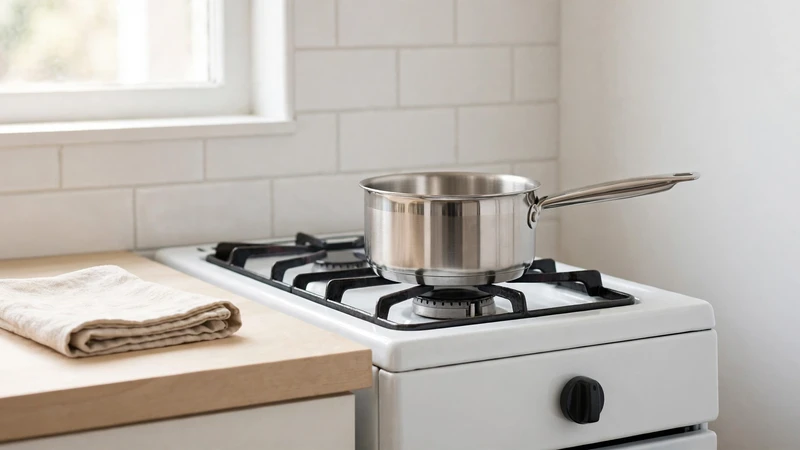
The Cuisinart Chef’s Classic Saucepan is a 2 quart stainless pan with a lid and a cool grip handle. It heats evenly for sauces and reheating, and its classic shape fits a small burner well.
- Capacity: 2 quarts
- Key features: Cool grip handle, lid, even heating
- Material: Stainless steel with aluminum base
- Dimensions: Compact burner friendly size for a small stove
- Power: Stovetop use, no electric power needed
- Who it’s for: Someone who wants a trusted classic stainless saucepan for daily sauces.
- Who should skip: A cook who wants a very light nonstick pan for delicate foods.
- Pros: Even heat, sturdy build, and a comfortable handle.
- Cons: Stainless steel needs gentle heat to avoid sticking.
4. Made In Saucepan
The Made In Saucepan is a 2 quart clad pan with a lid and a 7 inch diameter that fits a compact burner. It is made for sauces, grains, and reheating, with even heat across the base.
- Capacity: 2 quarts
- Key features: Clad construction, lid, 7 inch diameter
- Material: Stainless steel with aluminum core
- Dimensions: 7 inch diameter for a compact burner
- Power: Stovetop use, no electric power needed
- Who it’s for: A cook who wants a modern clad pan that fits a small burner exactly.
- Who should skip: Someone who wants a budget nonstick pan for simple reheating.
- Pros: Even heat, compact diameter, and a premium feel.
- Cons: Premium price for a single small pan.
5. Anolon Advanced Saucepan
The Anolon Advanced Saucepan is a 2 quart pan with a straining lid that helps pour sauces without a separate strainer. It heats evenly for soups and reheating, and its handle stays comfortable during use.
- Capacity: 2 quarts
- Key features: Straining lid, comfortable handle, even heating
- Material: Hard anodized aluminum with nonstick surface
- Dimensions: Compact burner friendly size for a small stove
- Power: Stovetop use, no electric power needed
- Who it’s for: Someone who wants easy pouring and a nonstick surface for sauces.
- Who should skip: A cook who wants a fully stainless pan for high heat searing.
- Pros: Straining lid, easy pouring, and even heat.
- Cons: Nonstick needs gentle tools and lower heat care.
6. All-Clad D3 Saucepan
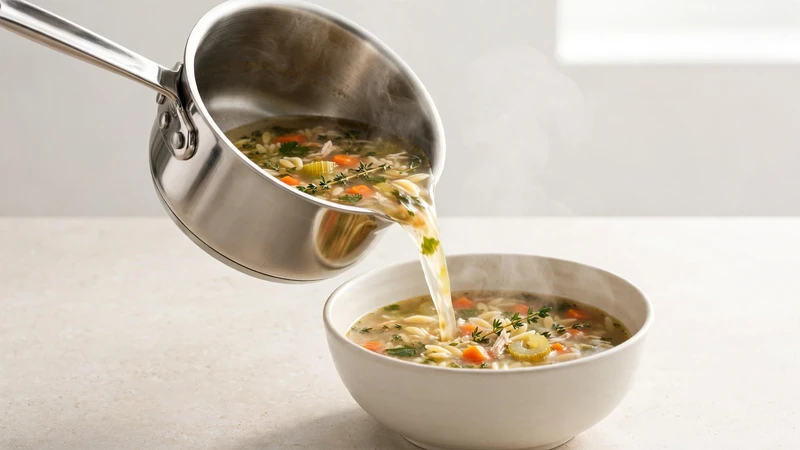
The All-Clad D3 Saucepan is a 2 quart premium pan with tri ply bonded construction and a lid. It is made for sauces, grains, and soups, with steady heat and a size that fits a small burner.
- Capacity: 2 quarts
- Key features: Tri ply bonded construction, lid, induction compatible
- Material: Stainless steel with aluminum core
- Dimensions: Compact burner friendly size for a small stove
- Power: Stovetop use, no electric power needed
- Who it’s for: A buyer who wants a premium pan that will last for many years.
- Who should skip: Someone who wants a budget pan for occasional reheating only.
- Pros: Excellent heat control, durable build, and a perfect small size.
- Cons: Premium price and a heavier feel than thin pans.
Buying Guide
Start with size. A 2 quart pan suits sauces for one to three people, while a 1.5 quart pan suits single servings and reheating. Measure your burner diameter, because a pan base wider than the burner can heat unevenly.
Look for even heat and a comfortable handle. Tri ply and clad pans spread heat well for sauces, while a straining lid helps with pouring. A tight lid matters for simmering, since it keeps heat and moisture in the pan.
Price bands are simple here. Budget models cover basic sauces well, mid range models add clad heat or a better handle, and premium models focus on durable construction and long life. Prices change, so compare the current listing rather than relying on an old price. For maker details, see All-Clad.
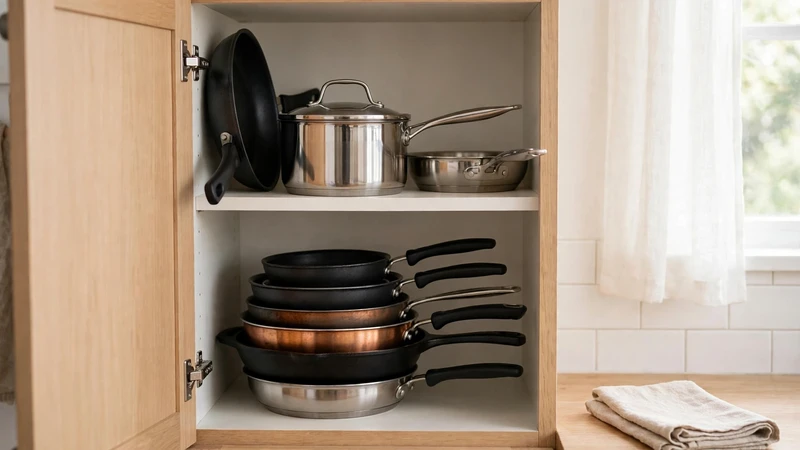
For storage, nest a small saucepan inside a larger pot only if the handles allow it, or store it with its lid upside down to save height. If you want cast iron for other dishes, see our guide to the best cast iron skillet picks for beginners.
The Verdict
For most small kitchens, the Tramontina Professional Saucepan is the safest first pick because it offers tri ply heat, a 2 quart size, and a base that fits a compact burner. If you want a classic stainless pan, the Cuisinart Chef’s Classic is a strong next choice.
Choose by size first, then by heat and handle comfort. Any of the six picks above can handle a weekday sauce, and the best one is the one that fits your burner and stays easy to pour.
Frequently Asked Questions
What size saucepan is best for a small kitchen?
A 2 quart saucepan suits most small kitchens, while a 1.5 quart pan suits single servings. Measure your burner first, so the pan base does not extend far past the burner edge.
Is a 2 quart saucepan enough for soup?
Yes, 2 quarts covers soup for one to three people and reheating leftovers. For larger family soup batches, a stock pot works better, but it will crowd a small stove.
Should I choose stainless steel or nonstick for sauces?
Stainless steel gives even heat and good control for sauces, while nonstick is easier for delicate foods. Choose steel for daily sauce work, and nonstick when easy cleanup matters most.
Why do sauces stick or scorch in a saucepan?
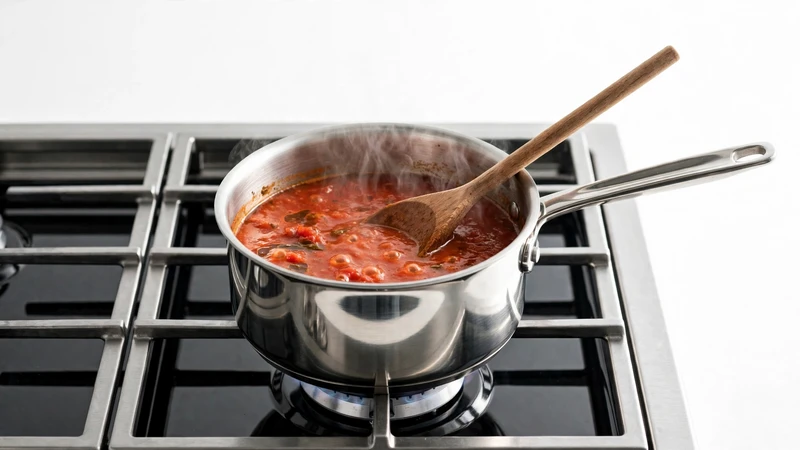
High heat and a thin base cause scorching, especially with milk or tomato sauces. Use gentle heat, stir often, and choose a clad or tri ply base for more even heating.
Do I need a lid for a saucepan?
Yes, a lid helps sauces simmer evenly and keeps heat in the pan. It also helps reheating, since it reduces splatter and keeps food moist while it warms.
How do I store a saucepan in a small kitchen?
Store it with its lid upside down to save height, or hang it if you have a hook. Avoid stacking heavy pans inside a nonstick pan, since that can damage the surface.